SAFEGUARDING NATURAL RESOURCES

ENVIRONMENTAL STEWARDSHIP

We are committed to managing our environmental impact proactively, transparently, and responsibly. Our approach safeguards the interests of our stakeholders while advancing the long-term resilience of our business. We aim to secure our social license to operate by enhancing the environmental performance of our operations, improving resource efficiency, and reducing our carbon footprint. In doing so, we support the future competitiveness of our products and our ability to thrive in a low-carbon, resource-constrained world.

managment of Pollution@2x

Management of Environmental Impact

  • Seek to avoid, minimise, rectify, and compensate for adverse impacts on human health, wildlife and the surrounding environment
  • Actively manage air quality by controlling dust from mining and transport activities.
  • Implement comprehensive noise, light, and visual pollution monitoring plans developed by independent specialists.
  • Conduct regular sampling at operational sites and neighbouring communities.
  • Verify all data through external laboratory analysis.
  • Review monitoring results by third-party experts before annual submission to authorities.

Climate Action & Greenhouse Gas Emissions Reductions

  • Contribute to the goals of the Paris Agreement to curb global temperature rising to 1.5°C above through the implementation of a site-level climate-change mitigation and adaptation strategy.
  • Avoid, minimize, and compensate for scope 1, 2 and relevant scope 3 emissions
  • Reduce diesel-related particulate emissions from vehicles and generators.
Climate action@2x
energy

Water stewardship

  • Avoid, minimise, and rectify for adverse impacts on water balance, flow quality, and ensure access of other water users and the wildlife
  • Implement a comprehensive upstream and downstream water quality monitoring system that meets and exceeds regulatory requirements.
  • Monitor surface water monthly, groundwater quarterly and drinking water monthly, with all samples analysed in accredited laboratories.
  • Conduct daily onsite testing and weekly laboratory analysis around processing plants to ensure consistent water quality.
  • Maintain robust acid spill prevention systems, including automated unloading, bunding, and specialised storage.
  • Use recycled water and molasses to suppress dust on site roads.

Biodiversity

  • Commits to neither explore nor develop new mines in World Heritage Sites, and respect legally designated protected areas
  • Avoid, minimize, and restore for adverse impacts on biodiversity, soil and productive land
  • Seek to achieve no-net loss and consider a net gain of biodiversity
  • Partner with NGOs, academics and environmental defenders to assess biodiversity impact and develop mitigation strategy, including ecosystems services review and preservation
biodiversity@2x
waste management@2x

Waste management and circular economy

  • Avoid, minimise and when possible, recover all types of waste, including hazardous waste as defined in the EU Waste Framework Directive (2008/98/EC)
  • Establish a standardised approach for the management of non-mineral waste generated during mining operations, including proper segregation, handling, storage, transportation, disposal, and recycling
  • Promote circular economy through the collection, reuse and recycling of materials at sites
  • Reduce waste and increase resource efficiency

Tailings management

All of our established large-scale waste storage facilities are subject to regular, legally mandated monitoring inspections. These are carried out by official inspectors, external specialists and our own teams. We manage our overburden, tailings, sludge, slag and ash deposits in line with our established environmental management systems and national regulations.

We are particularly focused on preventing:

  • Loss of physical and geotechnical integrity
  • Groundwater and surface water pollution
  • Pollution and dust emissions

We are currently aligning our practices and policies with the Global Industry Standard on Tailings Management (GISTM). Reviews are carried out by external Engineers of Records (EoRs) and are focused on (among other things) operating conditions, compliance with design parameters and potential risks to local populations and the environment.

Mining reclamation and land rehabilitation

At ERG Africa, we begin with the end in mind. We incorporate closure planning to minimise our environmental footprint, reduce end-of-life liabilities and establish sustainable post-mining land uses for local communities. Wherever possible, we progressively rehabilitate land, trial innovative restoration techniques and explore new opportunities for repurposing mine-affected areas.

In this way, we safeguard biodiversity and supports climate resilience. We support the delivery of socio-economic value through community partnerships, skills development and alternative land uses (including the maintenance of closure and rehabilitation funds). Together, we can imagine a greener, more sustainable future.

Development Assets

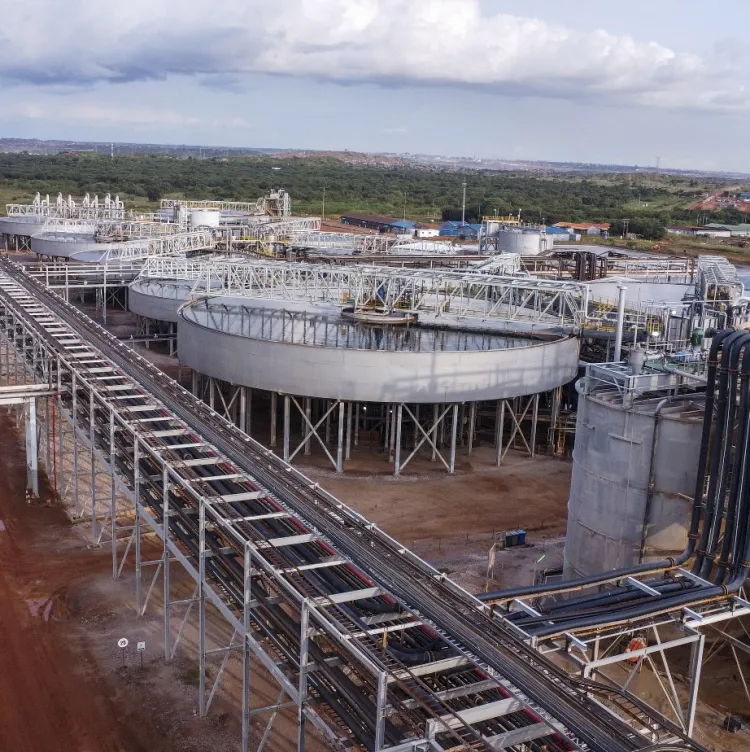
Tailings processing at Metalkol

Our Metalkol operation is directly supporting the global energy transition through its production of copper and cobalt. It does so by progressively processing historical, third-party tailings that were:

  • Dry-stacked at the dust-emitting Kingamyambo Tailings Dam (approximately 30 million tonnes)
  • Deposited in the Musonoi River valley (approximately 80 million tonnes)

We extract and process these tailings before redepositing them into a modern, centralised and comprehensively managed TSF. As a result, Metalkol, will over time, reduce the negative impact of these historical tailings on local air, water and land quality - while also rehabilitating post-extraction areas.

energy