EMPOWERING PEOPLE AND COMMUNITIES
SOCIAL IMPACT AND DEVELOPMENT
At ERG Africa, we are committed to managing our social impacts responsibly by fostering a safe, inclusive, skilled, and engaged workforce. A strong internal culture enhances the long-term resilience of our business. Beyond our operations, we strive to generate lasting positive impacts at the local, regional and national levels, contributing to the wellbeing of the communities where we operate. Our focus on social responsibility drives practical actions that strengthen communities and empower our workforce. This commitment is integral to our strategy, shaping how we create meaningful, lasting impact across all our operations.
Our approach centres on:
Health and safety
In all that we do, we put safety first. We continue to invest in the ongoing enhancement of our safety management system, risk assessment or mitigation and culture as we strive to achieve our ultimate goal of Zero Harm (including the prevention of production-related accidents).
Our key health and safety initiatives include:
Training and induction: The provision of safety training and induction to all employees, contractors and visitors upon arrival on site. We provide targeted training for employees and contractors in vehicle and machine operator safety, occupational safety risk management, occupational health and radiological safety, as well as training in emergency response, fire prevention, electrical safety, and adequate use of Personal Protective Equipment (PPEs).
Daily toolbox talks: The hosting of daily toolbox talks for site-based employees and contractors to discuss specific safety issues, procedures and concerns.
Cultural transformation: The ongoing implementation of our Visible Felt Leadership (VFL) safety programmes, which include regular site inspections conducted by senior operation-level managers to ensure compliance with safety protocols and to promote a culture of safety awareness and accountability. This also includes monitoring our host communities health and safe living conditions through the implementation of systems to prevent health and safety risks and remedy adverse impact.
Community impact
At ERG Africa, we respect the rights, culture and interests of local communities where we operate. We actively seek to maximise positive impacts through community social investment and by supporting local development, through multi-stakeholders transparent and meaningful engagements.
We manage community relations through our integrated Safety, Health and Sustainability (SHS) system, enhanced by grievance mechanisms which respects the rights of our affected stakeholders to have access to remedy and through State-based judicial mechanism when required. Our site-based grievance mechanisms comply with IFC Performance Standards and the UN Guiding Principles on Business and Human Rights, offering accessible channels for communities to raise concerns, supported by regular engagement and clear communication.
All our DRC operations have completed their Environmental and Social Impact Assessments (ESIAs) and Community Development Plans, which are updated regularly or when significant operational changes occur. These tools guide our ongoing programmes that respond to community needs and priorities based on official consultations.
Community social investment
As part of our community social investment (CSI) strategy, we prioritise socio-economic development in the regions where we operate. Our focus includes enhancing community well-being, supporting entrepreneurship and fostering a thriving local business environment by enabling access to procurement and contracting opportunities across our sites life-cycle.
We aim to build sustainable futures for local communities that endure beyond the life of our operations. In the DRC, we support the development priorities of 58 communities directly, while indirectly benefiting many more through the taxes we pay to the Government. Our long-term goal is to empower these communities to prosper well beyond our operational footprint.
Much of this work is delivered through tailored Community Development Plans (Cahier des Charges), developed through extensive multi-stakeholder engagement and designed to meet the unique needs of communities near our sites.
Investment areas:
Our key CSI investment areas we are implementing in the DRC, both under our Community Development Plans and as
part of our broaderinitiatives.
-

Water
-

Agriculture
-

Education
-

Healthcare
-

Protection of human rights
-

Infrastructure development
-

Alternative livelihood programmes
We also contribute to host communities through the 0.3% DOT funds, in accordance with the DRC mining code's social obligations. This mandates allocating 0.3% of our annual turnover to a dedicated fund for community development projects. The fund is managed by a specialised body made up of representatives from local communities, grassroots organisations, government entities and mining companies, ensuring inclusive participation and transparent governance. Regulatory oversight is provided by the Ministries of Mines and Social Affairs, supported by their specialised departments, to maintain accountability and proper administration.
Engaging responsibly with Artisanal and Small-Scale Mining (ASM)
ERG Africa has an established ASM Policy and ASM Management Plan outlining the approach to managing ASM activities on and around our operations. While none of our production comes, or will come, from ASM, we acknowledge the important role that ASM plays in supporting much-needed livelihoods in the DRC. In this context, we are collaborating with the DRC Government and international development agencies to support improvements in the environmental and social practices of local ASM miners. We support a range of external initiatives to help improve the lives of local communities near our operations. This includes a focus on helping children and young people transition out of artisanal mining, strengthening the capacity of local communities and supporting the development of a formalisation framework for responsible ASM.
Our ASM management approach comprises policies, plans and procedures that:
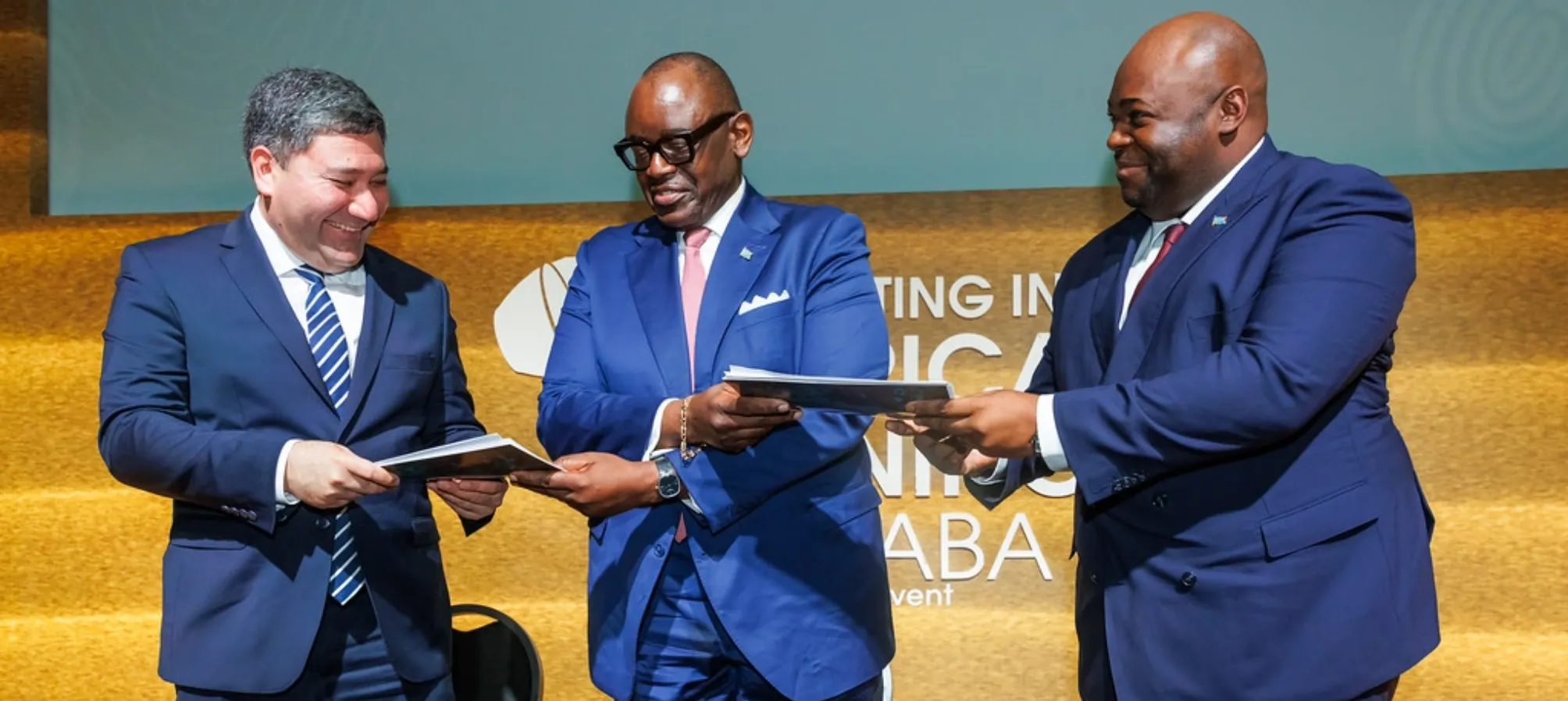
ERG Africa and EGC sign MoU to support responsible artisanal mining
In February 2026, ERG Africa signed a Memorandum of Understanding (MoU) with Entreprise Générale du Cobalt (EGC) aimed at strengthening sustainable and responsible artisanal cobalt mining in the DRC.
This MoU forms part of a public-private partnership intended to enhance the formalisation, professionalisation and accountability of ASM. The pilot project within the MoU aims to establish a structured model that will improve the working conditions of artisanal miners and reduce the risks associated with informal mining (including human rights risks). It should strengthen social cohesion within surrounding mining communities, enhance environmental protection and ensure the traceability and security of the cobalt supply chain, in line with the vision of the Congolese Government.
Indigenous peoples' rights and cultural heritage
While our ESIAs have not identified Indigenous people living in our surrounding areas, we implement voluntary measures to help improve living conditions for these communities in other continents. On the other hand, we assess the integrity of cultural heritage around our concessions and work with communities to mitigate risks where they are likely to occur.
Key highlights
View more in the social section of our report.